From The Blog · August 6, 2025
TikTok Lessons
What a Viral TikTok Can Teach Dealerships About Call Training and Brand Protection
In today’s fast-paced digital world, a viral TikTok can spread like wildfire, impacting businesses in unexpected ways. For car dealerships, this highlights the crucial importance of call training and brand protection. When a simple joke spirals out of control, like the recent incident involving a Wisconsin car salesman, it becomes a powerful reminder of how quickly misinformation can tarnish a dealership’s reputation.
This isn’t just about social media. The seeds of brand damage are often sown in everyday customer communication, particularly over the phone. By focusing on genuine, people-first interactions, dealerships can safeguard their reputation and foster trust with every call. Effective call training is more essential than ever.

The recent incident involving a Wisconsin car salesman’s TikTok video offers valuable insights for dealerships. Let’s explore how social media can impact a dealership’s reputation and the fine line between humor and brand damage.
TikTok’s Impact on Dealerships
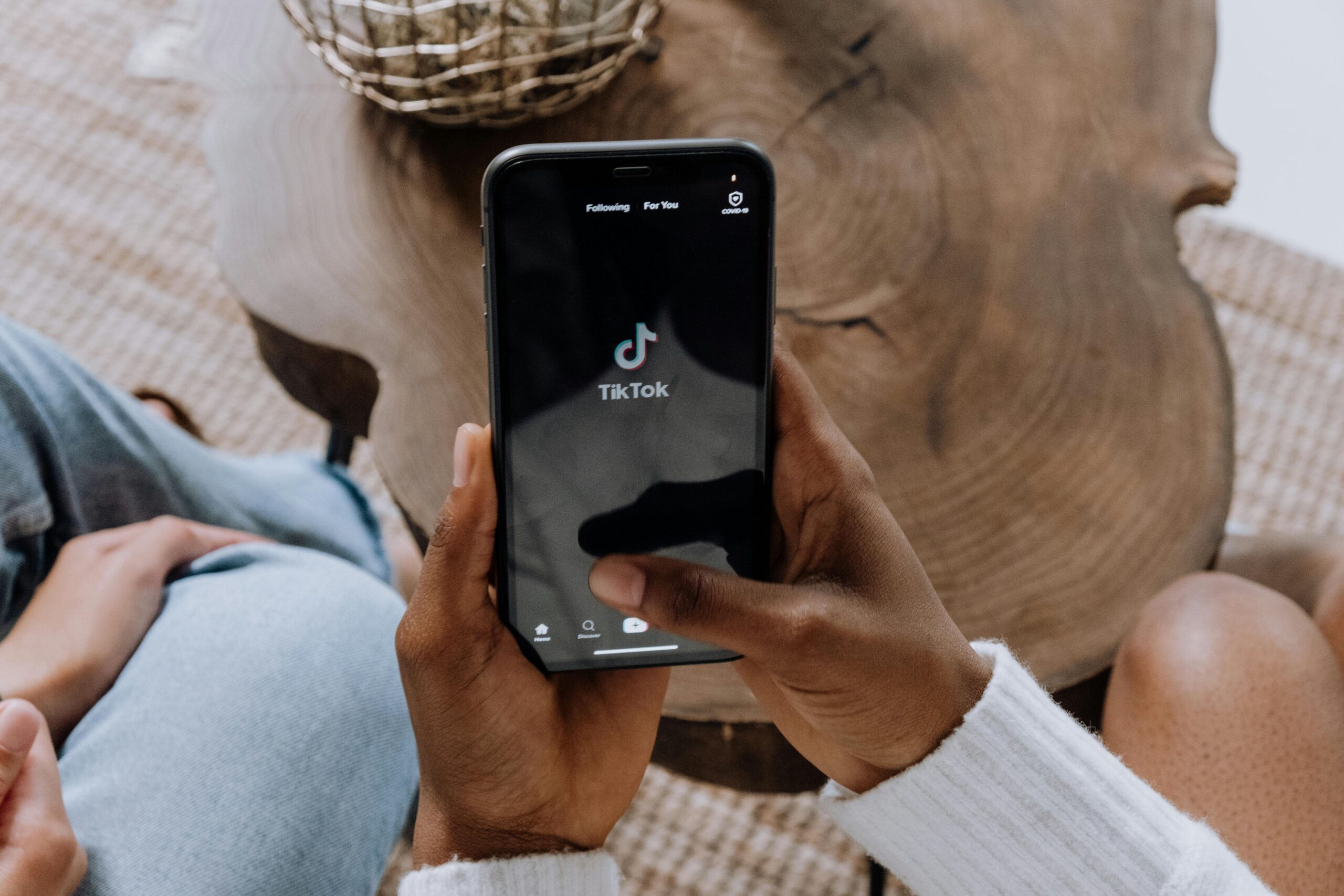
TikTok has become a powerful platform for businesses, including car dealerships. Its short-form video content can quickly reach millions of viewers, creating opportunities and risks.
Many successful dealerships use the platform to showcase inventory, share customer testimonials, or offer car care tips. It can humanize your brand and create meaningful engagement. But the viral nature of TikTok means content can spread far beyond its intended audience.
A recent example came out of Racine, Wisconsin. A car salesman posted a TikTok joking that he sold a single mom a car for $10,000 over sticker price. While intended as humor, the video played into negative stereotypes and was taken seriously by many viewers. The dealership later stated the claim was false and fired the employee, but the damage had already been done.
This incident shows how quickly humor can become a brand problem. Context gets lost, and jokes can be misunderstood—especially when they reinforce existing industry stereotypes.
When Jokes Become Brand Problems
Humor can be a great marketing tool, but it must be used carefully. The Wisconsin incident is a clear example of what happens when a joke backfires. The public didn’t just laugh; many believed it, leading to backlash against the dealership.
Dealerships must be mindful of how content may be perceived, especially by people who don’t know the employee or the store. Clear social media policies can help prevent these situations by outlining what employees should and shouldn’t post.
The Role of Call Training in Brand Protection
This story isn’t just about social media. It’s about communication and brand perception. And the truth is, the most damaging interactions often happen over the phone, where no one sees it go viral, but customers quietly lose trust.
Effective call training goes beyond reading a script. It teaches your team how to:
-
Understand customer psychology
-
Communicate in a people-first, trust-building way
-
Adapt to different personalities and emotional states
-
Stay on message while still being authentic and human
At C&M Coaching, we believe real training is about more than just what to say. It’s about how you say it, why it matters, and how it makes the customer feel. That’s what builds trust. That’s what protects your brand.
Spotting Issues Before They Go Viral
One key advantage of call training and monitoring is that it allows you to catch problems early, before they explode.
Regular call reviews help you:
-
Identify bad habits or misinformation
-
Coach team members in real-time
-
Reinforce behaviors that build trust
Consider using tools like call recording or speech analytics to monitor conversations. Encourage feedback from customers. And create a culture where ongoing coaching is part of how you operate.
Social Media Guidelines for Employees
In addition to training on the phones, dealerships need a clear, written social media policy. Employees should understand how their personal content can impact the store, even if it’s “just a joke.”
Your policy should include:
-
What content is and isn’t appropriate
-
Guidelines on using dealership property or logos in personal posts
-
Expectations for tone and professionalism
-
Consequences for violating the policy
Educate your team so they think before they post. What seems funny to them may land differently with the public.
Listening to Every Customer Call
Monitoring calls isn’t about micro-managing. It’s about ensuring your brand is protected at every touchpoint.
When reviewing calls, pay attention to:
-
Tone and professionalism
-
Accuracy of information shared
-
Whether the rep is listening actively
-
How well the customer is understood and guided
Use these insights for ongoing coaching and to celebrate team members who are doing it right. The more intentional you are with your training and oversight, the more consistent your customer experience becomes.
Final Thoughts: Protecting Your Reputation Starts With People
A dealership’s reputation is its most valuable asset. Protecting it means having systems in place for both online content and offline communication. It means training your team to understand customer psychology, connect on a human level, and stay aligned with the brand’s values.
When you treat every call like it could go viral, you start operating at the level customers expect today.
And that’s how you build trust that lasts.